

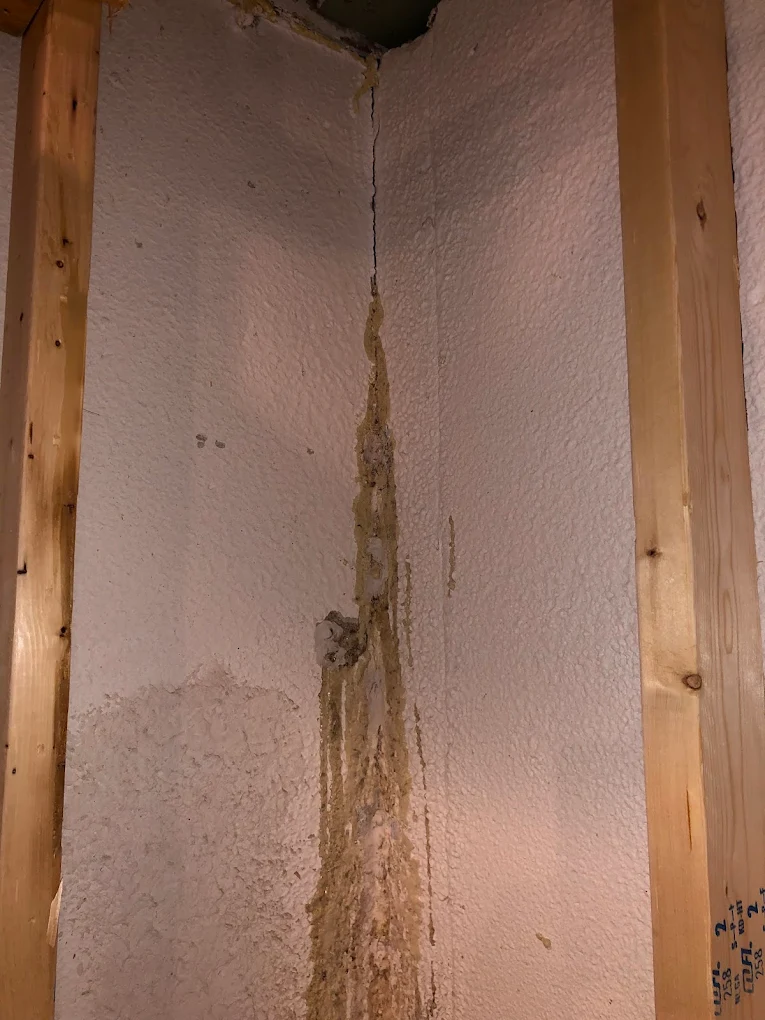
Most foundation crack repairs cost $250 to $800 per crack when the crack is small, non-structural, and simply needs to be sealed. Once a crack signals wall movement, the price changes fast. Structural repairs often run $1,000 to $15,000 or more, depending on how far the wall has shifted.
That spread is why “how much does it cost?” is the wrong first question. The better question is “what kind of crack is this?” The answer decides almost everything about the price.
This guide breaks down foundation crack repair cost by crack type and repair method, explains what pushes the price up, and shows why waiting usually costs more. If you’re in Southeast Michigan, the team at bdry michigan can look at the crack and tell you what you’re dealing with.
Foundation Crack Repair Cost at a Glance
According to Angi’s 2026 data, foundation repair of all kinds averages about $5,174, with most homeowners paying between $2,225 and $8,133. Simple crack repairs sit at the bottom of that range, around $250 to $800.
Local pricing can run a little higher. B-Dry’s own Southeast Michigan estimates put crack injection at about $400 to $1,200 per crack, depending on length and access.
| Crack Type | Typical Cost | What It Usually Means |
| Hairline shrinkage crack | $200 to $800 | Normal concrete curing, often cosmetic |
| Vertical or diagonal crack | $250 to $800 per crack | Common, may leak, rarely structural |
| Stair-step crack in block | $1,000 to $5,000+ | Settlement or soil pressure on the wall |
| Horizontal crack | $1,000 to $15,000+ | Soil pressure pushing the wall inward |
| Crack with a bowing wall | $4,000 to $12,000+ | Wall movement that needs stabilization |
These ranges come from Angi, This Old House, and HomeGuide pricing data. Your number depends on the crack, the wall, and whether water is getting through.
What Type of Foundation Crack Do You Have?
The direction and shape of a crack tell you most of what you need to know about the repair and its cost.
Hairline and Shrinkage Cracks
Hairline cracks are thin, often vertical, and usually appear within the first few years after a house is built. Concrete shrinks as it cures, and these cracks are the result.
They rarely affect the structure. If one is dry and not growing, you can monitor it. If it seeps water, a simple injection seals it for a few hundred dollars.
Vertical and Diagonal Cracks
Vertical and diagonal cracks in poured concrete walls are the most common type homeowners find. Most are not structural, but they’re a frequent path for water, especially during spring thaw.
Injection is the standard fix. Expect to pay in the $250 to $800 range per crack nationally, a bit more if the crack is long or sits behind a finished wall.
Stair-Step Cracks in Block Walls
Stair-step cracks follow the mortar joints of a concrete block wall in a zigzag pattern. They point to settlement or pressure from the soil outside.
Block walls can’t be injected the way poured walls can, because the cores are hollow. The repair usually involves sealing, reinforcing the wall, and managing the water behind it, which is why costs often start around $1,000.
Horizontal Cracks
Horizontal cracks are the ones to take seriously. They usually mean clay soil and water pressure are pushing the wall inward.
In Southeast Michigan, freeze and thaw cycles make this worse every year, which is covered in more detail in why foundation cracks get worse after Michigan winters. A horizontal crack often needs basement wall stabilization, not just sealing.
Foundation Crack Repair Cost by Method
The repair method is the other half of the price. Here’s how the common options compare:
| Repair Method | Typical Cost | Best For |
| Epoxy injection | $250 to $800 per crack | Dry, stable cracks in poured walls |
| Polyurethane injection | $250 to $800 per crack | Leaking cracks that may flex slightly |
| Carbon fiber straps | $900 to $2,000+ per crack | Walls with minor inward movement |
| Wall anchors | $500 to $1,000 each | Bowing walls with yard space outside |
| Steel wall braces | $4,000 to $12,000 total | Bowing or leaning basement walls |
| Structural engineer report | $300 to $1,000 | Horizontal cracks and wall movement |
Epoxy and polyurethane are both injected through small ports along the crack. Epoxy cures hard and bonds the concrete back together. Polyurethane foam expands to fill the crack and stays slightly flexible, which makes it a good choice for cracks that leak.
Think of injection as filling a gap and braces as holding up the wall. If the wall is still moving, filling the gap alone won’t last.
What Affects the Cost of Foundation Crack Repair?
Several factors push a quote up or down:
- Crack type and cause: a shrinkage crack costs far less than one caused by soil pressure.
- Length and width: longer and wider cracks take more material and time.
- Wall type: poured concrete walls are simpler to inject than block walls.
- Water intrusion: a leaking crack may need drainage work, not just sealing.
- Access: drywall, paneling, or shelving in front of the crack must be removed first.
- Number of cracks: several cracks on one visit usually lower the cost per crack.
- Engineering: horizontal cracks and bowing walls may need an engineer’s report.
Water deserves extra attention. If water keeps coming through a crack after it’s sealed, the pressure behind the wall is still there. In that case, interior basement waterproofing handles the water while crack repair handles the wall.
Can You Repair a Foundation Crack Yourself?
DIY crack injection kits are available at most hardware stores, and they can work on a dry, hairline crack in a poured concrete wall.
That’s where DIY ends. A kit won’t stop a horizontal crack from widening, can’t reinforce a block wall, and can’t tell you why the crack formed. Sealing the surface of a crack that’s still moving only hides the warning sign. For anything beyond a stable hairline crack, a professional inspection costs little compared to getting it wrong.
Why Waiting Makes Foundation Crack Repair More Expensive
A crack that costs a few hundred dollars today can cost thousands next year. This Old House notes that a hairline crack caught early might cost $200 to $800, while one left to widen and cause structural problems can push repairs into the $10,000 to $15,000 range or higher.
In Michigan, every winter adds pressure. Water enters the crack, freezes, expands, and pushes it wider. By spring, a minor crack can become a leaking one.
The practical rule: if a crack is horizontal, growing, or letting water in, get it looked at before the next winter. Cracks don’t fix themselves, and foundation repair is almost always cheaper when it’s done early.
Conclusion
Foundation crack repair cost ranges from about $250 for a simple sealed crack to $15,000 or more when a wall has started to move. The crack’s direction, the wall type, and whether water is involved matter more than anything else in the quote.
Vertical hairline cracks are usually a quick, affordable fix. Horizontal and stair-step cracks deserve a professional evaluation before they spread. B-Dry has repaired foundations across Southeast Michigan since 1981. To find out what your crack needs and what it will cost, schedule a free estimate.
FAQs
How much does it cost to fix a foundation crack?
Most simple foundation crack repairs cost $250 to $800 per crack nationally. Structural cracks caused by wall movement usually cost $1,000 to $15,000 or more, depending on the repair method and how far the wall has shifted.
How much does epoxy crack injection cost?
Epoxy crack injection typically costs $250 to $800 per crack. Long cracks, cracks behind finished walls, or several cracks in one home can change the final price.
Is a vertical crack in a basement wall serious?
Usually not. Vertical cracks in poured concrete walls are common and often caused by shrinkage. They should still be sealed if they leak or monitored if they start to widen.
Are horizontal foundation cracks expensive to fix?
Horizontal cracks usually cost more because they signal soil pressure pushing the wall inward. Repairs often include wall stabilization, which can run $4,000 to $12,000 or more.
Do I need a structural engineer for a foundation crack?
Not for a simple vertical or hairline crack. For horizontal cracks, stair-step cracks, or bowing walls, an engineer’s report costing about $300 to $1,000 can confirm the right repair.
Can I fix a foundation crack myself?
A DIY kit can seal a dry hairline crack in a poured concrete wall. Horizontal cracks, block wall cracks, and any crack that is growing or leaking should be evaluated by a professional.
Does foundation crack repair cost more for block walls?
Often, yes. Block walls have hollow cores, so they can’t be injected like poured walls. Repairs usually involve reinforcement and water management, which raises the cost.
How long does foundation crack repair take?
A standard crack injection is usually finished in a few hours. Wall stabilization or repairs combined with waterproofing can take one or more days, depending on the scope.
