
SAME-DAY

Basement Ventilation Systems in Southeastern Michigan

Most homeowners think of the basement as just storage space, but the air inside it shapes the air everyone breathes upstairs. Due to the stack effect, warm air rising through the home pulls roughly 40 to 50 percent of the air in upper floors directly from below grade. When that air carries radon gas, volatile organic compounds, mold spores, or moisture-laden vapor, every room above ends up breathing it too. For homeowners investing in basement waterproofing in Southeastern Michigan, ventilation is the next critical layer, since below-grade spaces here sit against cold, saturated soil for half the year and that exposure runs nonstop.

A properly designed basement ventilation system in Southeastern Michigan reverses the problem at its source. Instead of trapping stagnant air against concrete walls, the system actively pulls polluted air out of the lowest level of the home and draws cleaner replacement air in. The result is lower humidity, fewer airborne contaminants, and a noticeable improvement in indoor air quality from the foundation up.

Get free quoteCall Now
Full Name

What We Do

Ventilation Solutions Designed for Below-Grade Spaces

Basements are uniquely difficult to ventilate. They sit underground, have limited window openings, and accumulate the heaviest, dampest air in the entire house. Standard HVAC returns do not move that air efficiently, and passive airflow through cracked windows creates more problems than it solves. Effective ventilation systems for basements in Southeastern Michigan are engineered specifically for the conditions of below-grade environments, the same principles that apply to crawl space repair in Southeastern Michigan, where moisture, soil gas, and dead air pockets all need to be handled together.

Controlled Air Exchange Systems

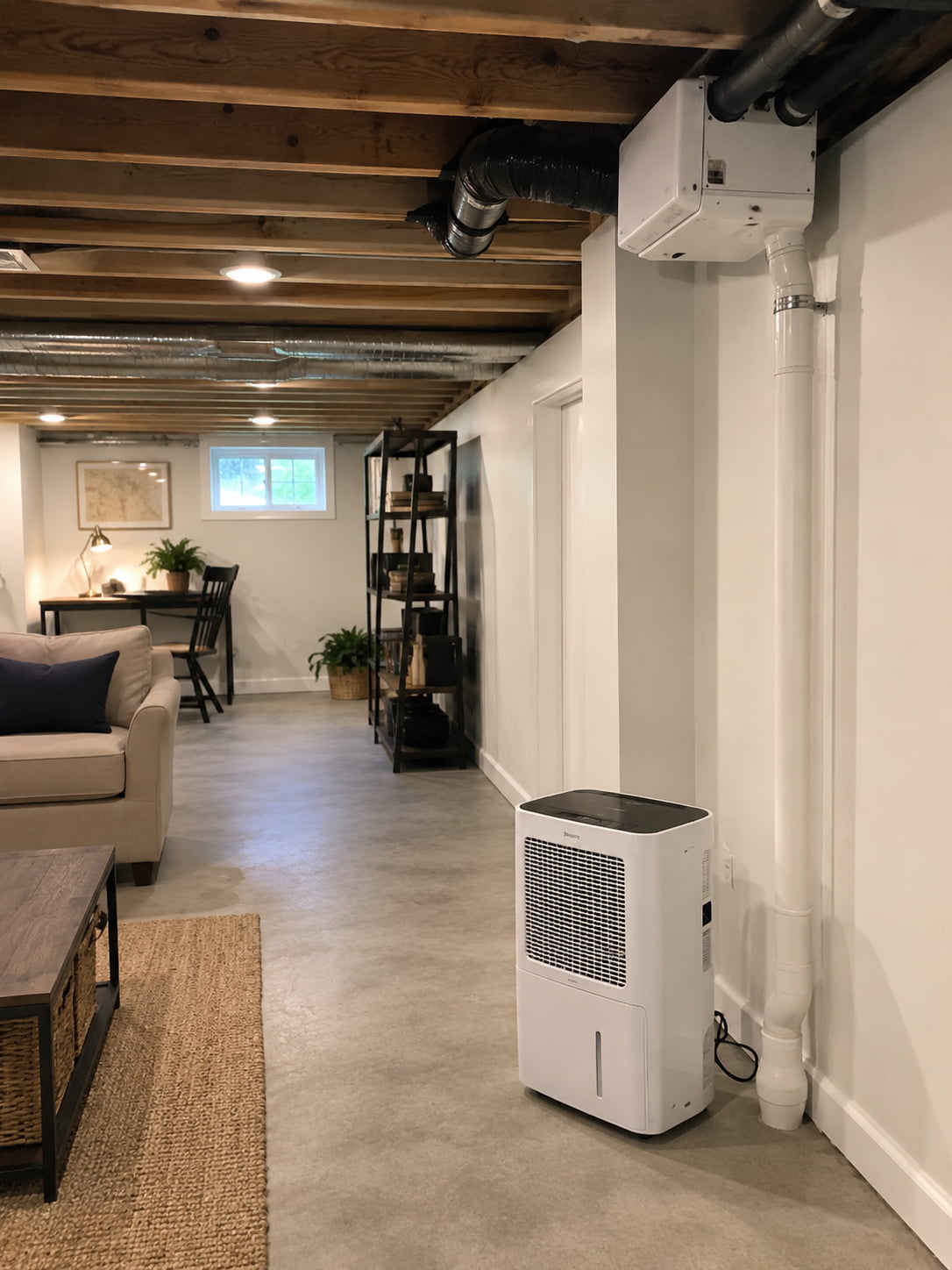
The core of any modern basement ventilation system installation in Southeastern Michigan is a controlled air exchange unit. It continuously pulls dense, contaminated air from the basement floor level and discharges it outdoors, while fresh outside air is drawn in to replace it. The exchange rate is calibrated to the basement’s volume.

Whole-Home Air Pressure Balancing

A properly installed system creates a slight negative pressure at the basement level, which keeps stale air, radon gas, and soil vapors from drifting upward into living spaces. This air pressure differential is what separates real ventilation from a fan that simply moves air around without removing it.

Energy Recovery Ventilators

For homes where heat loss matters, an energy recovery ventilator transfers warmth from outgoing air to incoming air before exhausting it. This makes year-round ventilation viable during Michigan winters without spiking heating costs, since most of the conditioned indoor air temperature stays in the home.

Dehumidifier Integration

A basement ventilation system pairs with a high-capacity dehumidifier to handle airborne moisture the exchange unit alone cannot fully control. Together, they maintain relative humidity at a healthy 40 to 50 percent range, preventing condensation, wall sweating, and the conditions that allow mold and mildew to grow.

Radon and Soil Gas Mitigation

Active ventilation reduces the buildup of radon gas and soil-sourced vapors that enter through floor cracks and the slab seam. Steady airflow prevents these gases from concentrating to dangerous levels and supports any dedicated radon mitigation system already in place.

Intake and Exhaust Configuratio

Proper placement of intake vents and exhaust outlets determines whether the system actually works or simply cycles the same air. Installation accounts for prevailing wind direction, distance from windows, and the location of HVAC returns to ensure clean replacement air enters and contaminated air exits without overlap.

Why Basement Air Quality Affects the Entire Home

Air in a home does not stay in zones. The natural rise of warm air through the structure means that whatever sits in the basement gets distributed throughout the house within hours. Without ventilation, that distribution includes dust mites, pet dander suspended in damp air, mold spores from concrete surfaces, off-gassing from stored chemicals, and any radon entering through the slab. The result is a slow buildup of indoor air pollutants that contribute to asthma triggers, respiratory irritation, and what is often misdiagnosed as a seasonal allergy.

How It Works:

Free Estimate

Signs Your Basement Needs Ventilation

Most homeowners do not notice ventilation problems directly. They notice the symptoms in other rooms, on upstairs floors, or in the way the home feels in summer. Below are the two clearest indicators that the air below grade is no longer moving the way it should.
Persistent Musty Smell That Returns After Cleaning

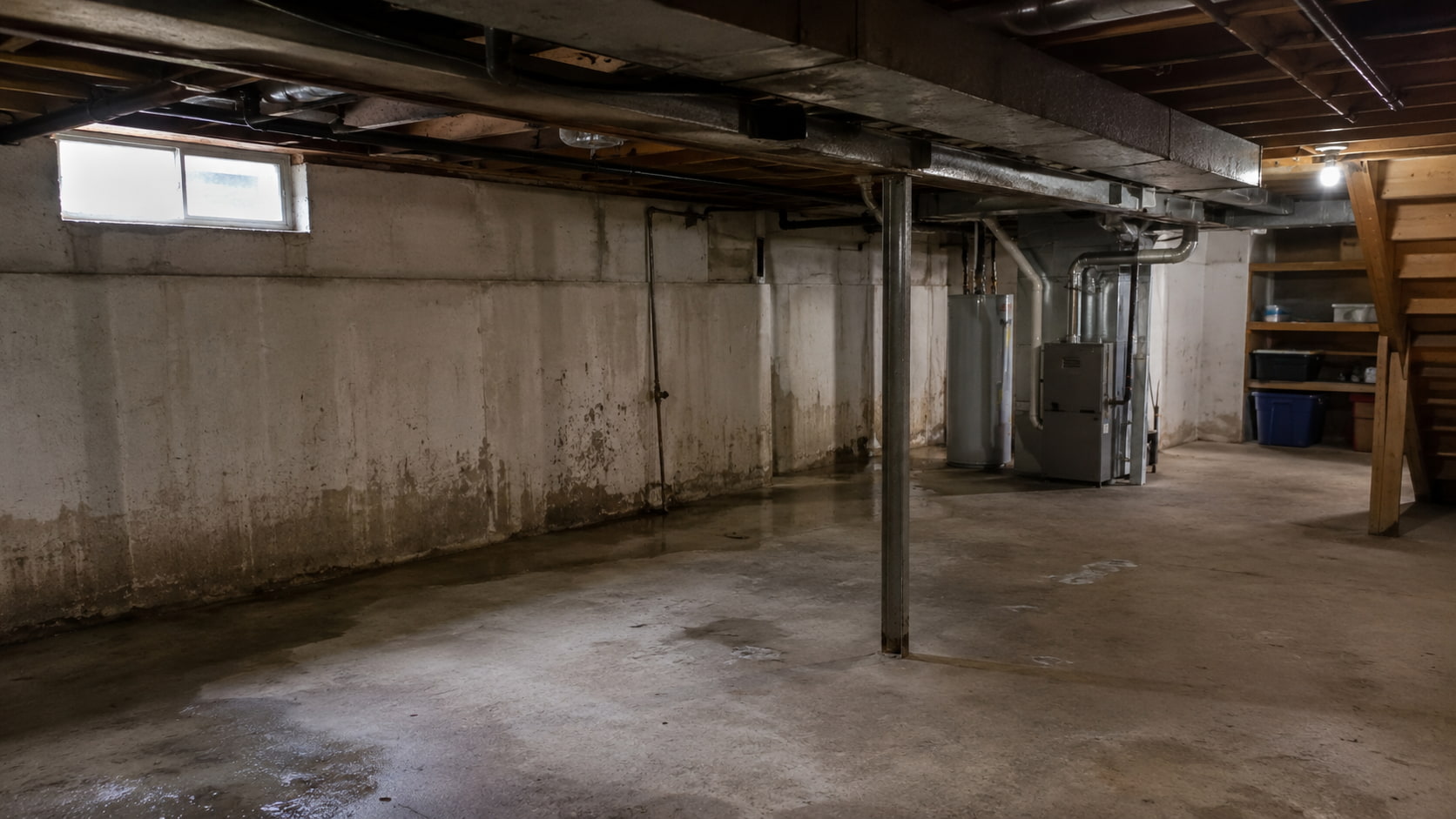
A basement that smells damp within days of being aired out or cleaned is signaling trapped moisture in the air, not just on surfaces. The smell comes from microbial volatile organic compounds released by mold and bacteria thriving in stagnant conditions. Surface cleaning removes the visible growth, but without controlled air exchange, the airborne source continues producing odor. The smell drifting upstairs on warm days is the same air people are breathing in bedrooms above.

Condensation on Cold Pipes, Walls, or Windows

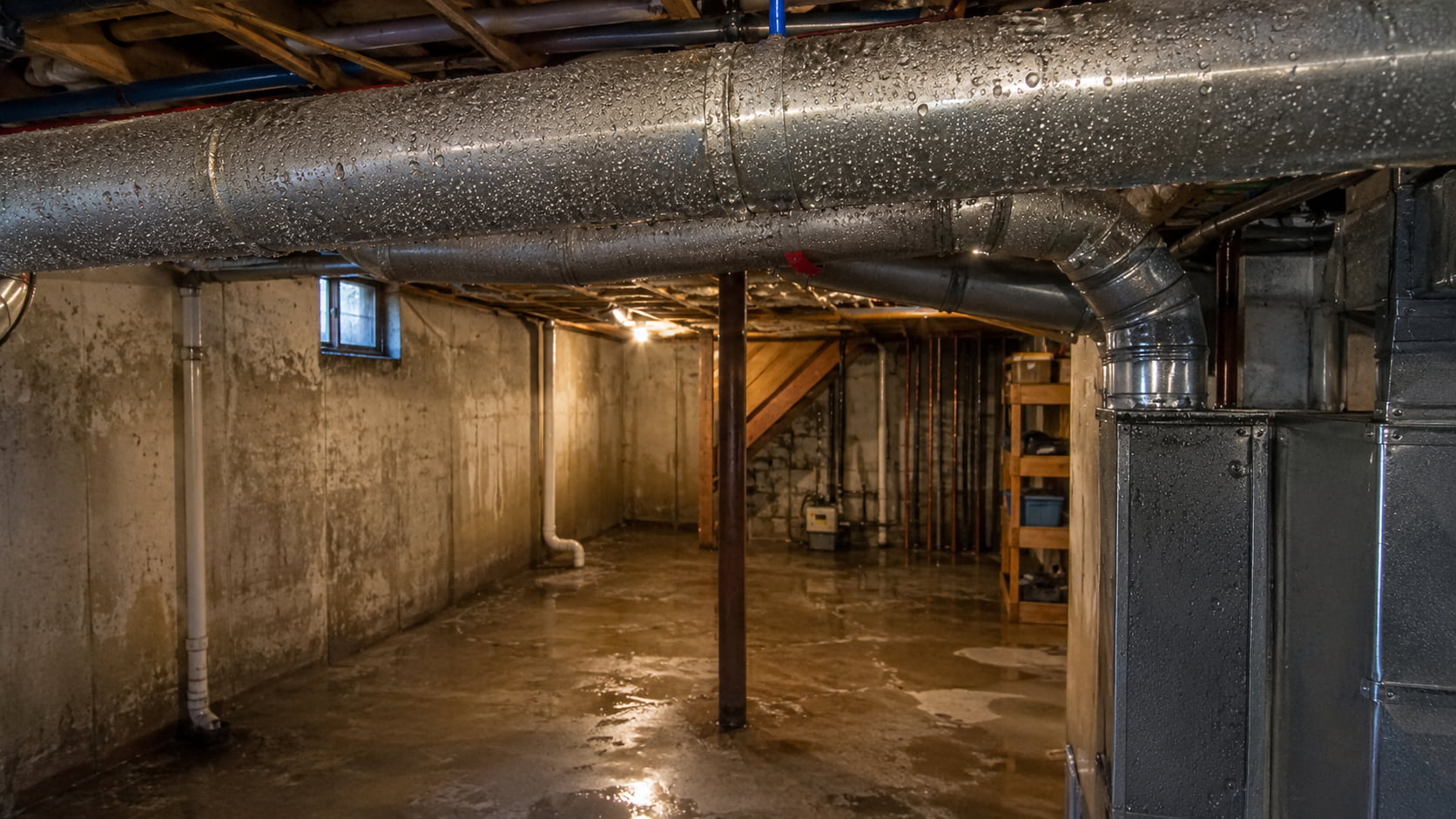
Water beading on metal pipes, basement windows, or cold concrete walls means the air holds more moisture than it can suspend. This level of humidity supports mold growth, accelerates wood damage in floor joists and framing, and creates the wet feeling many people describe in finished basements during summer. Visible condensation is a direct indicator that the ventilation rate cannot keep up with the moisture load entering the space.

Basement Ventilation Service Across Southeastern Michigan

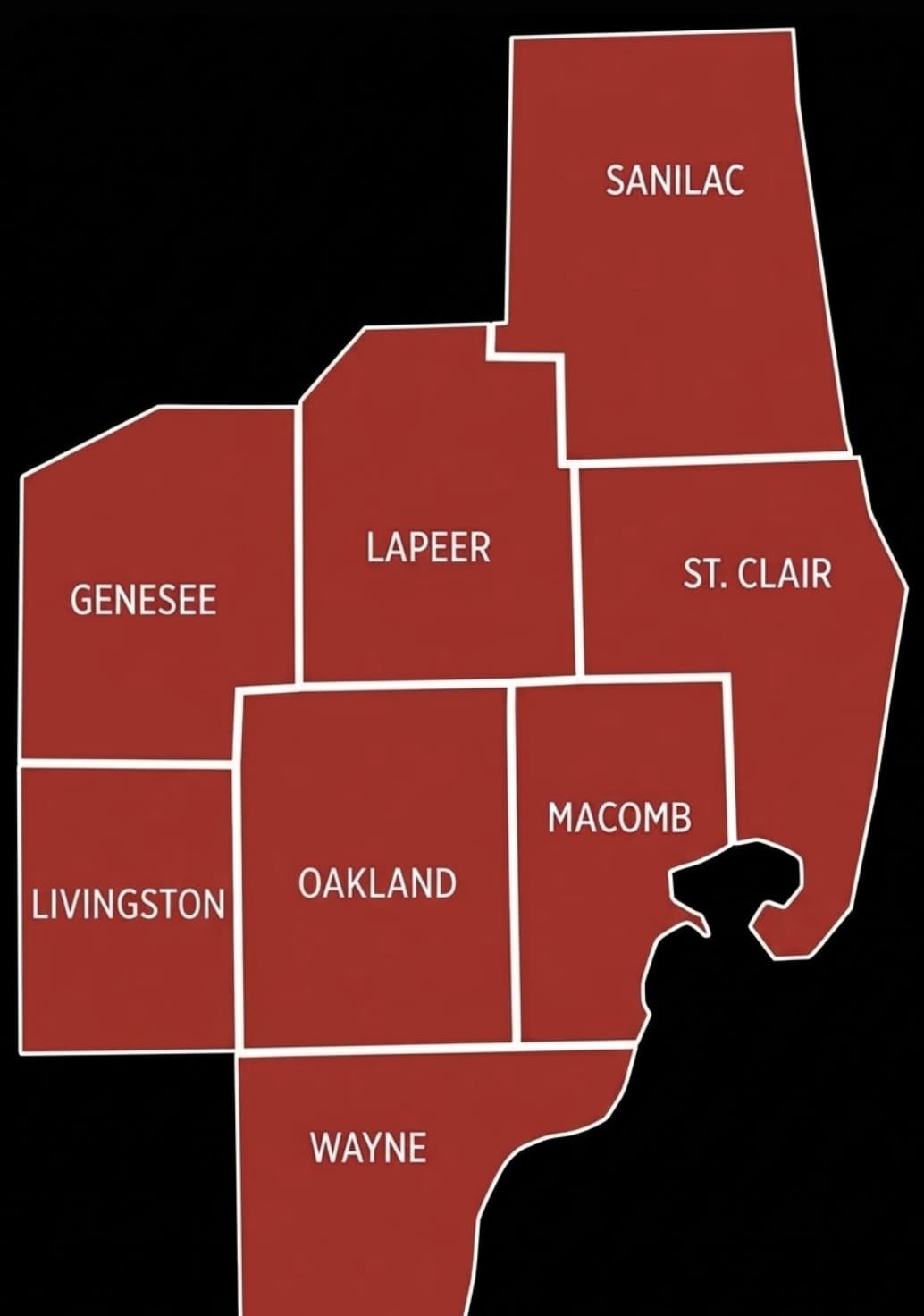
Homes throughout the region share the same challenges: long winters that keep basements sealed, humid summers that push moisture deep into below-grade walls, and clay-heavy soil that holds dampness against foundations year-round. Service coverage includes the following counties:

  • Macomb County
  • Oakland County
  • Wayne County
  • Genesee County
  • Lapeer County
  • Livingston County
  • St. Clair County
CONTACT US

Frequently Asked Questions

Why isn't my HVAC system enough to ventilate the basement?

Standard HVAC systems recirculate the air that already exists in the home. They condition it, filter it, and move it around, but they do not bring in fresh outside air or remove the heaviest contaminated air sitting on the basement floor. A dedicated ventilation system performs a job that HVAC was never designed to do.

How long does a basement ventilation system installation take?

Most installations are completed within a single day. The work involves mounting the air exchange unit, running intake and exhaust ducting through an exterior wall, connecting power, and testing airflow. There is no major construction or disruption to finished spaces in the basement.

Will the system raise my electric bill?

The energy use is minimal. Most modern basement ventilation units draw less wattage than a standard ceiling fan and operate continuously without a significant impact on monthly bills. The energy cost is far lower than running multiple dehumidifiers or relying on HVAC to manage humidity.

Does ventilation actually reduce radon?

Yes, indirectly. Active air exchange reduces indoor radon concentrations by diluting the air below grade with fresh outside air. For homes with confirmed elevated radon levels, ventilation works alongside a dedicated mitigation system to keep readings within safe limits.

Can a ventilation system be installed in a finished basement?

Yes. The unit itself is compact and mounts in a corner or utility area, and the ducting runs through a single exterior wall penetration. Finished walls, flooring, and ceilings are not disturbed during the installation process in most homes.

Is ventilation a replacement for a dehumidifier?

The two systems serve different purposes. Ventilation replaces contaminated air with fresh air and balances pressure. A dehumidifier removes moisture from the existing air without replacing it. The strongest results come from running both together, especially in Michigan summers.

How does the system handle winter operation?

Cold weather operation is the main reason energy recovery units exist. The system transfers warmth from outgoing exhaust air to incoming fresh air, so the basement stays close to its conditioned temperature even when outside air is well below freezing.

Will it dry out a wet basement on its own?

No. Ventilation handles airborne moisture and air quality, not active water leaks. A wet basement caused by foundation cracks, failing drainage, or hydrostatic pressure needs waterproofing first. Once the water source is sealed, ventilation maintains a dry environment long-term.

How often does the unit need maintenance?

Most modern systems require almost no maintenance beyond an annual visual check. There are no filters to replace, no water tanks to empty, and no moving parts that need regular service. The motor is sealed and rated for continuous operation across many years.

Do you cover all of Southeastern Michigan?

Yes. Coverage extends across Macomb, Oakland, Wayne, Genesee, Lapeer, Livingston, Sanilac, and St. Clair counties, including the cities and suburbs around Detroit, Sterling Heights, Troy, Warren, Dearborn, and the wider Metro Detroit footprint.