

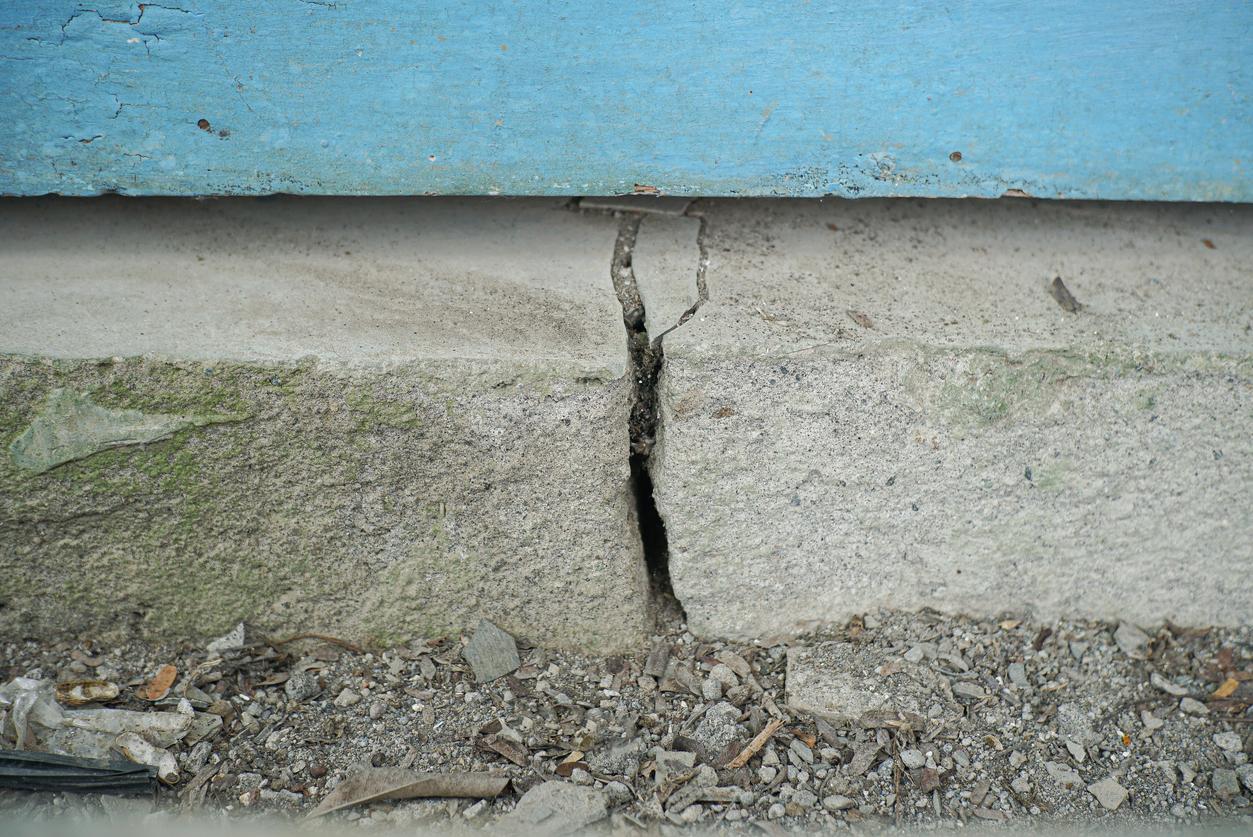
Michigan winters are hard on homes, and foundations take the brunt of it. A small crack that seemed harmless in the fall can grow noticeably wider by the time spring arrives. This is not a coincidence. It is the direct result of how freezing temperatures, moisture, and soil movement interact with concrete over the winter months.
Understanding why this happens helps homeowners recognize the warning signs early and avoid the kind of damage that turns a simple repair into a major structural issue. If you are noticing new or worsening cracks after winter, Foundation Repair in Southeastern Michigan can help you address the problem before it spreads further.
The Freeze Thaw Cycle Explained
Michigan does not just get cold once and stay that way. Temperatures swing above and below freezing repeatedly throughout the winter season. This constant back and forth is what makes freeze thaw cycles so damaging to foundations.
When temperatures drop, moisture in the soil around your foundation freezes. Frozen water expands. As it expands, it pushes against your foundation walls with significant force.
When temperatures rise again, even briefly, that ice melts. The soil settles back down, but it rarely returns to its exact original position. This repeated expansion and contraction happens dozens of times over a single Michigan winter.
Each cycle puts additional stress on your foundation. Small existing cracks get pried open a little more each time. Weak points in the concrete that were not visible before start to show.
Why Existing Foundation Cracks Are Especially Vulnerable
A crack that already exists in your foundation is a point of weakness. Once winter arrives, that weakness becomes a target for freeze thaw damage.
Water Enters Before It Freezes
Cracks give water direct access into the concrete itself. During fall rains and early winter precipitation, water seeps into these openings.
When temperatures drop, that water freezes inside the crack. Since ice takes up more space than liquid water, it forces the crack to widen from the inside out.
The Crack Widens With Each Cycle
This is not a one time event. Every freeze thaw cycle through the winter adds a small amount of additional widening. By spring, a hairline crack from October can become a crack you can see clearly with the naked eye.
Small Cracks Turn Into Structural Concerns
Left unaddressed, this cycle repeats year after year. What starts as minor cosmetic cracking can eventually compromise the structural integrity of your foundation wall.
How Michigan Soil Makes This Worse
The type of soil surrounding your home plays a major role in how much pressure your foundation experiences during winter.
Southeastern Michigan has significant clay soil content in many areas. Clay soil behaves very differently from sandy or loamy soil when it comes to moisture and temperature changes.
Clay soil holds onto water much longer than other soil types. This means there is more moisture available to freeze and expand against your foundation walls throughout the winter.
Clay soil also expands and contracts more dramatically than sandy soil. This creates a phenomenon often called frost heave, where the ground itself lifts and shifts as it freezes.
Homes built on clay heavy lots are more likely to experience:
- Wider cracks after winter compared to homes on sandy soil
- Uneven settling around the foundation perimeter
- Recurring cracks in the same locations year after year
Signs Your Foundation Cracks Got Worse Over Winter
Spring is the best time to inspect your foundation for winter damage, since the freeze thaw cycles have finished and any changes will be visible.
Wider Gaps in Existing Cracks
Compare the width of cracks to how they looked in the fall. Even a small increase, such as going from hairline to a few millimeters wide, indicates active movement.
New Water Intrusion
If a crack that was previously dry now shows signs of water staining or active leaking, that is a strong indicator the crack has grown deep enough to compromise the wall’s water resistance.
Stair Step Cracking in Block Walls
Homes with block foundation walls sometimes show stair step patterns along the mortar joints. This type of cracking often gets more pronounced after a harsh winter due to uneven pressure from frost heave.
Doors and Windows That Stick
Foundation movement does not just affect the foundation itself. As the structure shifts slightly, doors and windows on upper floors can start sticking or no longer close properly.
Horizontal Foundation Cracks Are a Bigger Concern Than Vertical Ones
Not all foundation cracks carry the same level of risk. The direction of the crack tells you a lot about what is causing it.
Vertical cracks are common and often related to normal concrete curing or minor settling. These are usually less urgent, though they should still be monitored and sealed.
Horizontal cracks are a different story. These typically indicate that the foundation wall is under significant lateral pressure, often from soil or hydrostatic pressure pushing inward.
Winter freeze thaw cycles can turn a minor vertical crack concern into a horizontal cracking problem if soil pressure builds enough over repeated cycles. Horizontal cracking is a sign that Basement Waterproofing in Metro Detroit combined with structural evaluation may be necessary.
Why Waiting Until Summer Is a Mistake
Many homeowners notice foundation cracks in spring but decide to wait, assuming the problem will not get worse until next winter. This assumption is risky for a few reasons.
Water continues to find its way into existing cracks throughout spring rains and summer storms. Even without freezing temperatures, ongoing moisture exposure can weaken the surrounding concrete and expand the crack further over time.
Cracks that go unaddressed through spring and summer are simply larger and more vulnerable by the time the next winter arrives. This means the next freeze thaw cycle starts from a worse position than the previous year.
Addressing cracks early also tends to be less expensive and less invasive than waiting until the damage requires more extensive structural repair.
What Homeowners Can Do Before Next Winter
There are practical steps homeowners can take to reduce the impact of freeze thaw cycles on their foundation.
Improve Grading Around the Foundation
Soil that slopes away from your foundation helps direct water away from the walls rather than allowing it to pool and soak in near the concrete.
Maintain Gutters and Downspouts
Clogged gutters or downspouts that discharge too close to the foundation increase the amount of water sitting in the soil right where freeze thaw pressure is most damaging.
Have Changing or Leaking Cracks Evaluated
Not every foundation crack has the same cause or requires the same repair. A crack that is widening, leaking, recurring, or accompanied by wall movement should be evaluated before simply sealing the visible opening.
The goal is to understand whether the issue is limited to water intrusion or whether pressure and movement in the foundation wall also need to be addressed.
Address Drainage Issues Before Winter
Fall is the ideal time to identify and correct drainage problems, since this gives water less opportunity to saturate the soil before the first freeze arrives.
How B-Dry Evaluates Foundation Wall Problems
A visible crack is often only one part of the problem. The condition of the wall, the direction and location of the cracking, signs of inward movement, drainage conditions, and water intrusion all help determine what type of repair is appropriate.
When a basement wall is bowing, leaning, or showing signs of structural pressure, stabilization may be needed to help prevent additional movement. B-Dry uses wall brace and stabilizer solutions when structural wall support is appropriate.
In other situations, the primary concern may be water entering through or around the foundation. Those conditions may require waterproofing or drainage improvements in addition to addressing the wall itself.
A professional inspection helps determine whether the primary issue is moisture, structural movement, or a combination of both.
Protecting Your Foundation for the Long Term
Foundation cracks can change over time, particularly when moisture, soil pressure, and seasonal movement continue affecting the wall. Monitoring changes and addressing concerning symptoms early can help prevent a smaller issue from becoming more difficult to repair.
Catching cracks early, understanding what type of crack you are dealing with, and addressing the root cause rather than just the surface issue gives your foundation the best chance of withstanding the next freeze thaw season without new damage.
If you are seeing cracks that have changed since last winter, a professional inspection can tell you exactly what is happening beneath the surface and what needs to be done before the next cold season arrives.
Frequently Asked Questions
Why do foundation cracks get worse specifically in winter?
Freeze thaw cycles cause water inside cracks to freeze and expand repeatedly, widening the crack a little more with each cycle throughout the season.
How many freeze thaw cycles happen in a typical Michigan winter?
Michigan can experience dozens of freeze thaw cycles each winter due to frequent temperature swings above and below freezing.
Is a horizontal crack more serious than a vertical crack?
Yes. Horizontal cracks usually indicate lateral pressure from soil or water against the foundation wall, which is a more significant structural concern than typical vertical cracking.
Can clay soil really make foundation cracks worse?
Yes. Clay soil retains more moisture and expands more than sandy soil, which increases pressure against foundation walls during freeze thaw cycles.
Should I seal a foundation crack myself?
DIY sealants can offer a temporary fix, but they often do not address the underlying pressure causing the crack, which means the problem can return or worsen.
What is frost heave?
Frost heave is the lifting and shifting of soil caused by freezing groundwater, which can put uneven pressure on a foundation during winter.
How can I tell if a crack has gotten worse since last year?
Compare the width and length of the crack to photos or notes from a previous inspection. Any new water staining or increased width is a sign of active movement.
Does poor gutter maintenance really affect foundation cracking?
Yes. Water discharged too close to the foundation increases soil saturation near the walls, which adds to the pressure during freeze thaw cycles.
When is the best time to get foundation cracks inspected?
Spring is ideal, right after the winter freeze thaw cycles have ended, since any new or worsening damage will be visible at that point.
Can foundation cracks affect the rest of my house?
Yes. Significant foundation movement can cause doors and windows to stick, uneven floors, and other structural issues throughout the home.
