

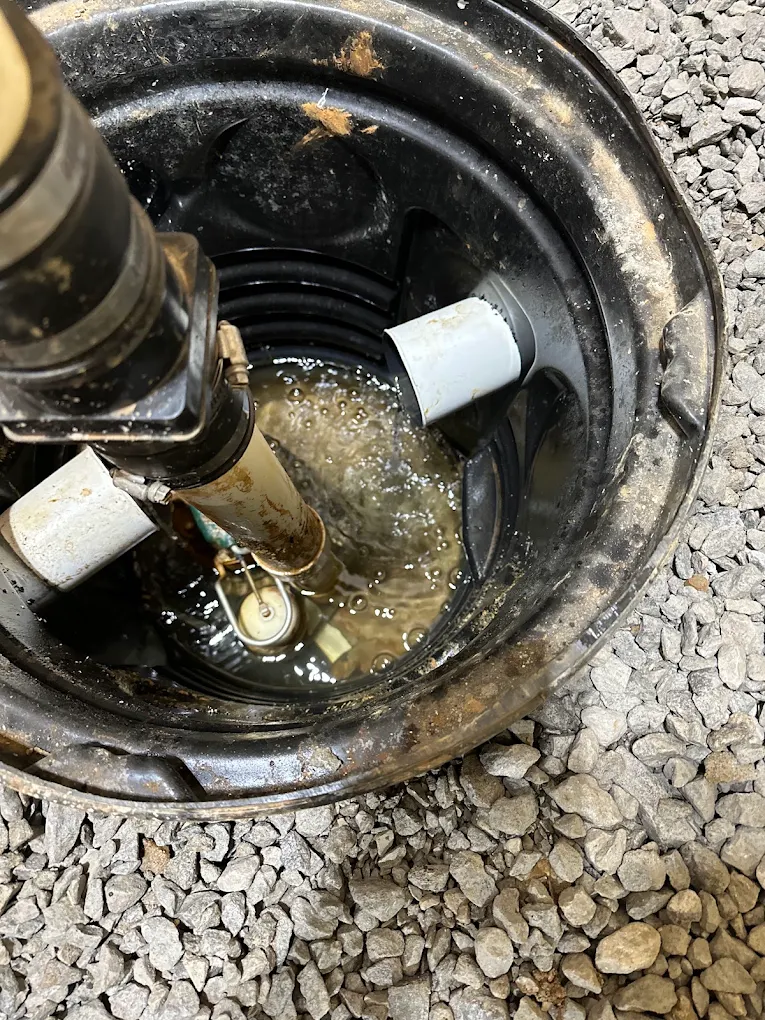
Southeast Michigan’s heavy rains, snowmelt, and seasonal groundwater can put a lot of demand on a sump pump. Regular inspection and basic maintenance can help homeowners identify problems before the system is needed during a major storm.
Here are some practical things homeowners can check to help keep a sump pump installation in SE Michigan working properly.
Why Sump Pump Maintenance Matters in Michigan
Michigan’s freeze-thaw cycle, spring snowmelt, and summer thunderstorms put more demand on sump pumps than most states.
Beyond storm protection, regular maintenance:
- Extends the pump’s lifespan
- Catches small problems before they become emergency failures
- Ensures the battery backup works during the power outages that often hit exactly when storms do
Skipping maintenance does not just shorten the pump’s life – it puts your entire basement at risk during Michigan’s most demanding weather seasons.
Types of Sump Pumps and How Often to Maintain Them
Knowing your pump type affects your maintenance schedule.
Different sump pump systems have different maintenance requirements. Homeowners should follow the manufacturer’s recommendations for their specific pump and have the system evaluated if performance changes.
Pedestal pumps have motors mounted above the pit, out of the water. They are easier to access and maintain, with float switches visible outside the pit.
Maintenance frequency: Homeowners should test their sump pump periodically and especially before seasons of heavy rain or snowmelt. Older systems, heavily used pumps, and battery-backup systems may benefit from more frequent checks.
Sump Pump Maintenance Checklist
Test the Pump Regularly
How often: Every 3 to 6 months, and always before heavy rain season.
Pour a bucket of water – up to 5 gallons – slowly into the sump pit.
The float should rise, triggering the pump to activate and drain the water quickly. The pump should then shut off automatically once the water is gone.
If it does not activate, runs slowly, or fails to shut off, there is a problem that needs attention before the next storm.
Keep the Pit Clear
Check the sump pit for obvious debris or obstructions that could interfere with the float or pump intake. If the pump itself needs to be removed, disassembled, or cleaned internally, consider having the system serviced professionally.
Check the Discharge Line
How often: Seasonally, with extra attention in spring and fall.
The discharge line carries water away from your foundation. A blockage means water has nowhere to go – and it comes back into the pit or basement.
Check for:
- Clogs or debris at the exterior discharge point
- Damage along the line
- Ice blockage in winter – frozen discharge lines are a leading cause of pump failure during Michigan winters
- Check the exterior discharge point and make sure water is being directed safely away from the foundation rather than pooling near the home.
Inspect the Float Switch
How often: Annually, or any time the pump behaves erratically.
The float switch triggers the pump when water in the pit reaches a certain level. If it gets stuck or shifts out of position, the pump either never activates or runs non-stop.
Check that the float moves freely with no obstructions around it. If the pump has shifted inside the pit, reposition it so the float is not pressed against the pit wall.
Test the Check Valve
How often: Annually.
The check valve prevents water from flowing back into the pit after the pump cycle ends.
If it is malfunctioning, the pump repeatedly cycles to remove the same water – wearing out the motor faster and driving up energy use.
Inspect the check valve to confirm it opens and closes properly. Signs of wear or damage mean it should be replaced before it fails completely.
Test the Power Connection and Battery Backup
How often: Every 3 to 6 months.
Michigan storms regularly cause power outages – exactly when the pump is working hardest.
Check these items:
- Confirm the pump is plugged into a working, properly grounded outlet
- Check the GFCI outlet has not tripped – outages sometimes trip it without the homeowner noticing
- Test the battery backup by unplugging the pump and confirming the backup activates
- If the system includes a battery backup, test it according to the manufacturer’s recommendations and watch for signs that the battery is no longer holding an adequate charge. Battery service life varies by system and usage.
A pump with a dead battery backup is no better than a pump with no backup at all during a power outage.
Seasonal Maintenance Tips for Michigan Homeowners
Michigan’s seasons each bring specific sump pump risks.
Spring Sump Pump Maintenance
Spring is the highest-demand season for Michigan sump pumps. Snowmelt and heavy April rains hit simultaneously, and groundwater levels rise fast.
Before spring arrives:
- Test the pump with a full bucket pour
- Clear the sump pit of any winter debris carried in by snowmelt
- Inspect and clear the discharge line of ice or blockage
- Check the battery backup charge and replace if needed
Do not wait for the first spring storm to discover the pump is not working.
Winter Sump Pump Maintenance
Winter in Michigan creates a specific risk: frozen discharge lines.
When the discharge line freezes, water cannot exit – and the pump either burns out trying or backs up into the basement.
Winter preparation:
- Insulate the discharge line if it runs through unheated spaces or outdoors
- Consider a freeze-guard attachment to prevent ice blockage at the exterior discharge point
- Check the pump before the first hard freeze to confirm it is operational
- Verify the battery backup is charged heading into the season of most frequent power outages
Common Sump Pump Problems and Troubleshooting
Pump Runs Continuously
Likely causes: Stuck float switch, failed check valve, or incorrect water level sensor position.
Check for obstructions around the float and test the check valve. If the float has shifted from the pump moving in the pit, reposition the pump.
If the problem persists, a technician needs to assess whether the water sensor or check valve requires replacement.
Pump Fails to Activate
Likely causes: Power failure, tripped GFCI breaker, or jammed float switch.
Check in this order:
- Confirm the pump is plugged in
- Check the circuit breaker and reset the GFCI outlet if tripped
- Test the float switch manually – it should rise freely
- If still no activation, call a professional
Pump Is Noisy or Vibrating
Likely causes: Debris inside the sump pit, damaged impeller, or loose discharge pipe.
Clean the pit and remove any debris near the pump. Inspect the impeller for cracks or damage. Tighten any loose pipe connections.
Persistent noise after cleaning means internal motor damage – which requires professional repair or pump replacement.
When to Call a Professional
DIY maintenance handles most routine tasks. But some situations require a professional.
Call a professional if:
- The pump fails to activate after basic troubleshooting
- The pump runs continuously and the float and check valve check out fine
- You notice rust, corrosion, or gel-like buildup on the motor
- The pump is more than 7 to 10 years old and showing performance decline
- You want a comprehensive annual inspection that includes pump capacity assessment, check valve testing, and backup system verification
For homeowners dealing with recurring basement water issues alongside pump maintenance, Basement Waterproofing in Metro Detroit pairs a properly working sump pump with a full waterproofing system for complete protection.
An annual professional inspection costs far less than emergency water damage cleanup – and far less than a pump replacement on an emergency call during a storm.
Frequently Asked Questions
How Often Should I Test My Sump Pump in Michigan?
Test your sump pump every 3 to 6 months at minimum. Given Michigan’s demanding spring and fall seasons, testing quarterly is the smarter approach. Always test before the spring snowmelt season and before winter arrives.
What Is the Best Way to Test a Sump Pump?
Pour 3 to 5 gallons of water slowly into the sump pit. The float should rise and trigger the pump to activate and drain the water. The pump should then shut off once the water level drops. If it does not activate or fails to shut off, service is needed.
How Long Do Sump Pumps Last in Michigan?
Sump pump lifespan varies based on pump quality, frequency of use, maintenance, and the amount of water the system handles. An aging pump that is noisy, unreliable, cycling excessively, or failing tests should be evaluated for replacement.
Do I Need a Battery Backup Sump Pump in Michigan?
A battery backup can provide additional protection during power outages, particularly when outages occur during heavy storms. Whether a backup system is appropriate depends on the home’s flooding risk, existing sump system, and homeowner preferences.
What Causes a Sump Pump to Run Continuously?
The most common causes are a stuck float switch, a failed check valve allowing water to flow back into the pit, or a pump that has shifted position inside the pit. Check the float for obstructions and test the check valve. If both appear fine, call a professional.
Why Is My Sump Pump Making Noise?
Noise or vibration usually points to debris in the pit, a damaged impeller, or loose pipe connections. Clean the pit and check the connections first. If the noise continues after cleaning, internal motor damage may require professional assessment or replacement.
How Do I Prevent My Discharge Line from Freezing in Michigan Winters?
Insulate the discharge line anywhere it passes through unheated spaces or runs outdoors. Install a freeze-guard attachment at the exterior discharge point. Check the line before the first hard freeze each year.
What Is the Check Valve on a Sump Pump?
The check valve is a one-way valve on the discharge line that prevents water from flowing back into the sump pit after a pump cycle. If it fails, the pump repeatedly cycles to remove the same water, wearing out the motor and reducing efficiency.
Can I Do Sump Pump Maintenance Myself?
Yes, for most routine tasks – testing the pump, cleaning the pit, checking the float, and testing the battery backup. Tasks like replacing the check valve, diagnosing electrical issues, or addressing persistent mechanical failures are best handled by a licensed professional.
When Should I Replace My Sump Pump?
Consider replacement if the pump is over 7 to 10 years old and showing reduced performance, requires frequent repairs, runs noisily despite cleaning, or fails to activate reliably during testing. Replacing proactively before a failure is always cheaper than emergency replacement after a flood.
