

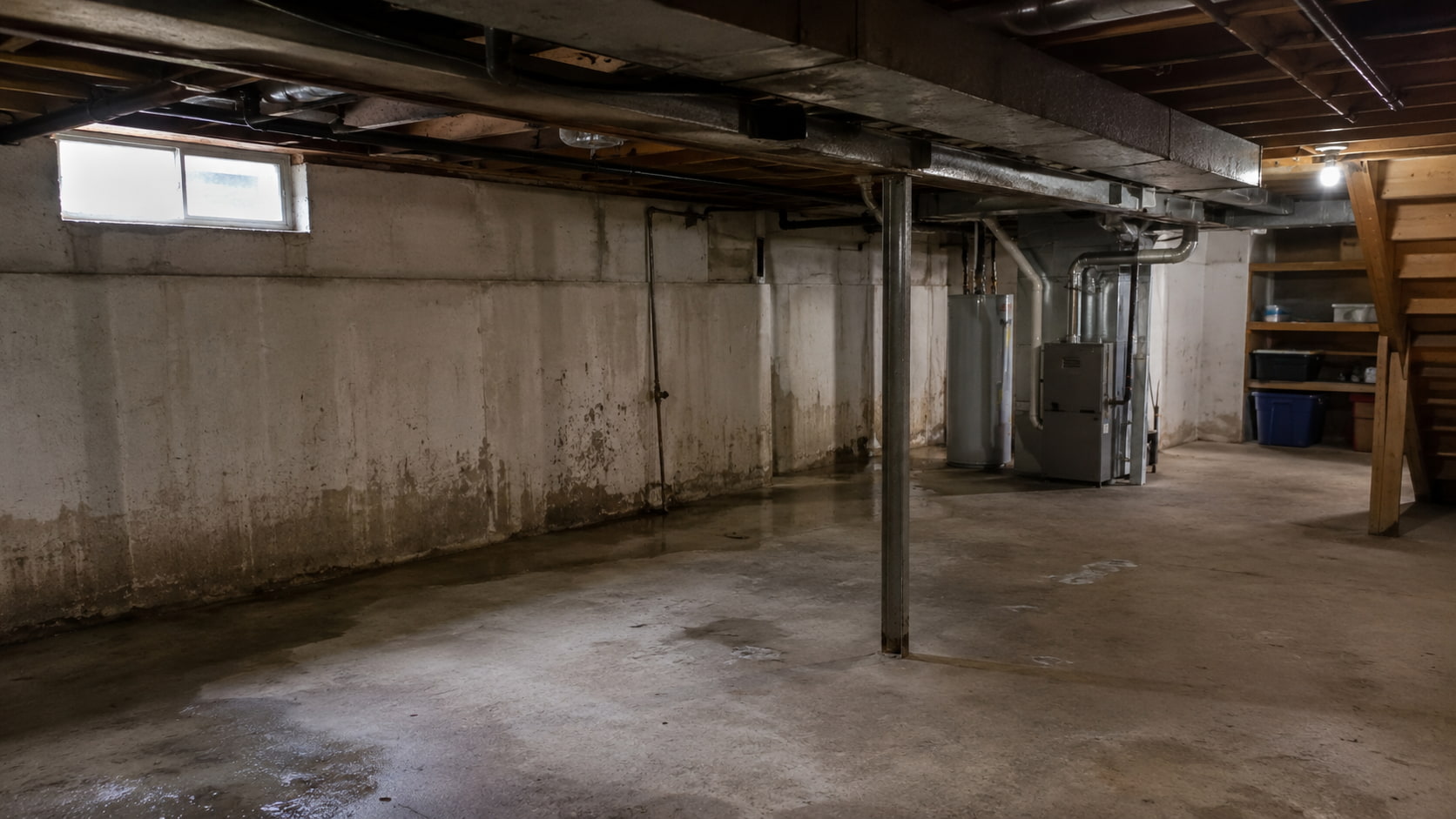
Southeast Michigan’s basements face a specific combination of stressors: dense clay soil that holds water instead of draining it, a freeze-thaw cycle that widens foundation cracks every winter, and spring rainfall that regularly overwhelms aging stormwater systems across Macomb, Oakland, Wayne, Genesee, Lapeer, Livingston, and St. Clair counties. The Detroit metro area averages over 33 inches of precipitation a year, and much of that falls in concentrated spring events that saturate clay soil faster than it can drain.
Southeast Michigan’s harsh winters, heavy spring rains, and humid summers create year-round threats to your basement. The short answer: seasonal, proactive maintenance – inspecting for cracks, managing humidity, testing your sump pump, and protecting pipes – keeps your basement dry and structurally sound all year. If you’re looking for professional help, Basement Waterproofing in Southeastern Michigan is a trusted local resource. The short answer: seasonal, proactive maintenance — inspecting for cracks, managing humidity, testing your sump pump, and protecting pipes — keeps your basement dry and structurally sound all year. Here’s exactly what to do each season, and when a homeowner task turns into a job for a professional.
Spring Basement Maintenance Tips
Inspect for Cracks and Leaks After Winter
Michigan’s freeze-thaw cycle is brutal on foundations.
Water trapped in small cracks expands when it freezes, widening them over winter.
Michigan’s freeze-thaw cycle is brutal on foundations. Water trapped in small cracks expands as it freezes, widening them over the course of winter. Come spring, inspect basement walls and floors for new hairline cracks, worsening existing cracks, and any visible signs of water intrusion.
Small cracks can be sealed with waterproof epoxy. Larger ones especially anything wider than a hairline or showing active seepage, need a professional assessment before spring rains turn a minor crack into a real intrusion point.
Clean Gutters, Downspouts, and Check Exterior Grading
Clogged gutters overflow directly against your foundation.
What to do:
- Clear winter debris from gutters
- Extend downspouts at least 10 feet from the foundation
- Check that your yard slopes away from the house
Flat or inward-sloping ground lets rainwater pool at the foundation base – a leading cause of basement leaks in Southeast Michigan’s rainy spring months.
Test Your Sump Pump
Pour water into the sump pit. The pump should activate immediately. If it doesn’t, call a professional before spring storms hit. Also check that the discharge line is clear and draining away from the foundation, and that the float switch is functioning properly.
Given Southeast Michigan’s spring snowmelt and heavy rains, a battery backup system is a smart investment to keep the pump running during power outages, exactly the moment a spring storm is most likely to knock out power and flood a basement at the same time.
Summer Basement Maintenance Tips
Control Humidity with a Dehumidifier
Southeast Michigan summers bring high humidity that quickly makes basements damp. Install a hygrometer to monitor levels and keep them between 30–50%. Common hidden humidity sources to eliminate include uninsulated cold water pipes, leaky plumbing, an uncovered sump pit, and drying clothes in the basement.
A dehumidifier handles excess moisture, but eliminating the source is equally important — humidity control works best alongside a proper waterproofing system rather than as a standalone fix.
Common hidden humidity sources to eliminate:
- Uninsulated cold water pipes
- Leaky plumbing
- Uncovered sump pit
- Drying clothes in the basement
A dehumidifier handles excess moisture, but eliminating sources is equally important. For professional Basement Waterproofing in Metro Detroit, a waterproofing system works alongside humidity control for lasting results.
Inspect Ventilation and Watch for Mold
Poor airflow turns a damp basement into a mold factory.
Check these areas:
- HVAC vents – confirm they are unobstructed and functioning
- Basement windows – reseal if leaking, add window well covers
- Corners and behind stored items – look for dark spots or peeling paint
A musty smell is an early mold warning. Address it immediately – don’t wait for visible growth.
Fall Basement Maintenance Tips
Seal Foundation Cracks Before the Freeze-Thaw Cycle
Fall is your last window to seal cracks before freezing temperatures lock problems in.
Water entering unsealed cracks freezes, expands, and creates bigger leaks by spring.
Beyond water damage, open cracks let cold air into the basement, driving up heating bills.
Have cracks professionally sealed before the first hard freeze – a small fall investment that prevents major winter and spring damage.
Clean and Test the Sump Pump Before Winter
Don’t wait until January to find out your sump pump is dead.
Fall sump pump checklist:
- Clean debris from the sump pit
- Test activation by pouring water in
- Check the float switch
- Clear the discharge line
- Confirm battery backup is charged
Southeast Michigan winters bring snowmelt and ice thaws that push water against foundations – your pump must be ready.
Insulate Pipes and Check Exterior Grading
Two fall tasks homeowners often skip: insulating exposed pipes and re-checking exterior grading.
Soil settles over summer, sometimes reversing the slope back toward the foundation.
Walk the perimeter and correct any flat or inward-sloping ground.
Then wrap exposed basement pipes with foam insulation – a cheap step that prevents costly burst pipes once Southeast Michigan temperatures drop below freezing.
Winter Basement Maintenance Tips
Monitor Humidity and Watch for Condensation
Winter doesn’t eliminate humidity – it shifts it. Cold surfaces like pipes and walls attract condensation that quietly feeds mold. Keep a hygrometer running and maintain humidity between 30-50%.
If condensation is forming on windows or pipes, your ventilation or heating circulation needs adjustment.
Warm air movement through the basement reduces moisture buildup during Southeast Michigan’s long, cold winters.
Keep Snow Away from the Foundation
Piled snow against foundation walls is slow-motion water damage waiting to happen.
As it melts, that water has nowhere to go but against and into your foundation.
After every significant snowfall:
- Shovel snow away from the house perimeter
- Watch roof ice dams – meltwater backing up under shingles can work its way down to the foundation
Protect Pipes from Freezing
Burst pipes are one of the most expensive winter basement emergencies.
Prevent it by:
- Insulating all exposed pipes with foam wrap
- Sealing gaps where cold air enters basement walls
- Keeping your heating system properly maintained
During Southeast Michigan cold snaps, even a brief heating failure can freeze uninsulated pipes – prevention costs dollars, repairs cost thousands.
Year-Round Basement Maintenance Tips for Southeast Michigan Homeowners
Seasonal tasks add up to year-round protection.
Schedule a professional basement inspection annually to catch what DIY checks miss.
Keep these as recurring tasks – not one-time fixes:
- Sump pump servicing
- Dehumidifier maintenance
- Gutter cleaning
For Southeast Michigan homeowners, the freeze-thaw cycle, heavy rains, and humid summers make consistent basement maintenance not optional but essential to protecting your home’s foundation and long-term value.
DIY maintenance catches the obvious problems. A professional inspection catches the ones that aren’t obvious yet, hairline cracks, early efflorescence, a sump pump on its last season. B-Dry System of Southeastern Michigan offers free basement inspections for Southeast Michigan homeowners. Call 586.327.5281 to schedule yours before the next season’s weather tests your basement’s limits.
Frequently Asked Questions:
How Often Should Southeast Michigan Homeowners Inspect Their Basement?
At least once per season. A quick visual check catches problems early. Schedule a full professional inspection once a year to catch what DIY checks miss.
What Humidity Level Should I Maintain in My Basement?
Keep basement humidity between 30-50%. Use a hygrometer to monitor and a dehumidifier to control levels before mold gets a foothold.
How Do I Know If My Sump Pump Is Working Properly?
Pour water into the sump pit. The pump should activate right away. If it doesn’t respond or runs non-stop, contact a professional before the next storm.
When Is the Best Time to Seal Foundation Cracks in Michigan?
Fall, before the first freeze. Sealing cracks early stops water from entering, freezing, and expanding damage further over winter.
Can I Seal Foundation Cracks Myself?
Small hairline cracks can be filled with waterproof epoxy. Larger cracks or any with active water seepage need a professional assessment to fix properly.
Why Does My Basement Smell Musty in Summer?
High humidity and poor ventilation cause mold and mildew. Run a dehumidifier, improve airflow, and check corners and behind stored items for visible mold.
How Far Should Downspouts Extend from My Foundation?
At least 10 feet. This keeps rainwater far enough away that it cannot pool near the foundation and seep into your basement.
Do I Need a Battery Backup for My Sump Pump?
Yes. Southeast Michigan spring storms often cause power outages exactly when your sump pump needs to run most. A backup keeps it working when it matters.
What Are Signs That My Basement Has a Water Intrusion Problem?
Watch for white mineral deposits on walls, musty odors, visible mold, peeling paint, damp floors, and new or widening cracks in walls or floors.
Is Basement Waterproofing Worth It for Michigan Homes?
Yes. Michigan’s freeze-thaw cycles, heavy rains, and humid summers make basements highly vulnerable. Professional waterproofing prevents structural damage and costly long-term repairs.
