

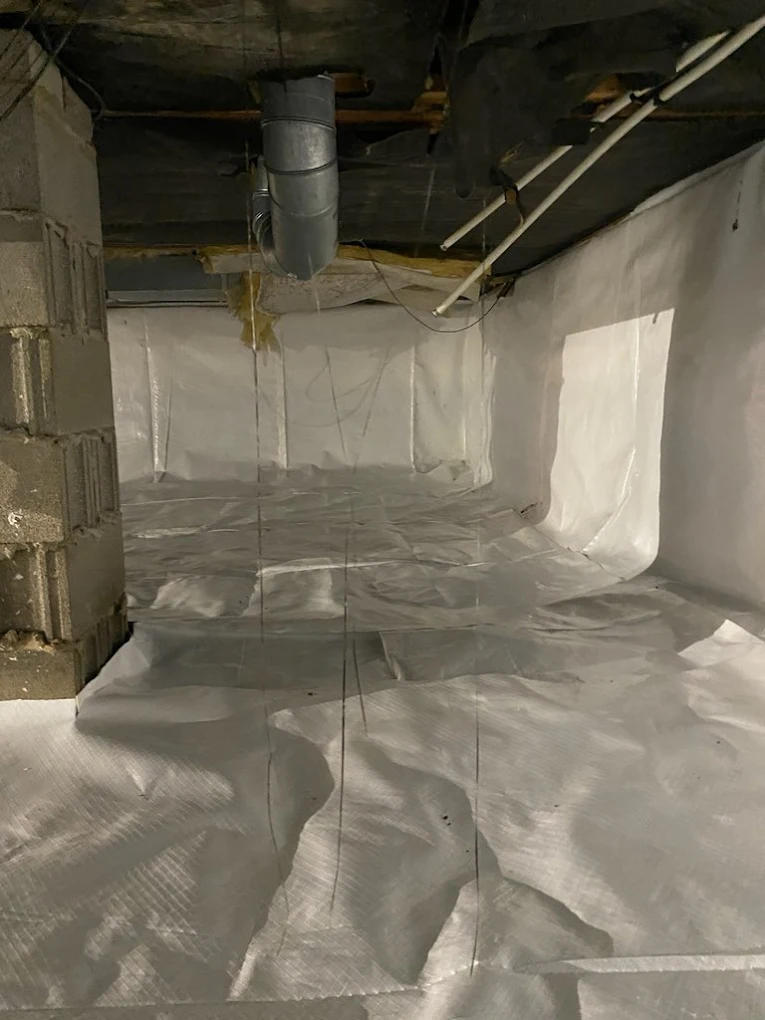
A crawl space may seem like an afterthought in your home, but it directly affects your foundation, indoor air quality, and energy costs. In Southeast Michigan’s wet climate, crawl spaces become breeding grounds for moisture, mold, and structural damage if left unprotected.
Crawl Space Repair in Southeastern Michigan is one of the most important investments you can make to protect your home’s health and value. Proper waterproofing stops water intrusion before it destroys your foundation and compromises your family’s health.
The Importance of Waterproofing a Crawl Space
Southeast Michigan’s heavy rainfall, high water tables, and seasonal flooding make crawl space waterproofing essential rather than optional. An unprotected crawl space allows water, moisture, and humidity to seep directly into the foundation and up into your living spaces above. This moisture travels through walls, floors, and insulation, creating a cascade of problems that only gets worse over time.
Protects the Foundation of Your Home
Your foundation sits directly on or above the crawl space. When water pools in the crawl space, it applies constant hydrostatic pressure against foundation walls and floors. Over time this pressure causes:
- Cracks in foundation walls and floors
- Settlement and structural shifting
- Mortar deterioration between blocks
- Wood beam and support post rot
- Concrete surface spalling and failure
Waterproofing removes this water before it ever contacts your foundation, keeping the structure sound and stable for decades.
Prevents Moisture Buildup
An unprotected crawl space acts like a sponge. Every rainstorm, snowmelt, and humid day adds moisture that gets trapped in the enclosed space. This moisture rises up through floor joists and into your home, making your entire house feel damp and uncomfortable.
High humidity in the crawl space creates the perfect environment for mold, mildew, and wood-eating insects. The smell from this moisture often becomes noticeable throughout the home even though most people never see the crawl space. Waterproofing removes the source of this moisture and stops the damp smell before it starts.
Key Benefits of Crawl Space Waterproofing
Improved Air Quality
The air in your crawl space directly affects the air you breathe upstairs. When moisture and mold grow unchecked in an unprotected crawl space, mold spores travel through floor gaps and into your living areas. These spores trigger allergies, asthma, and respiratory issues especially in children and elderly family members
Basement Waterproofing in Southeastern Michigan combined with proper encapsulation stops mold growth before spores ever enter your home. Families report noticeable improvements in allergies and breathing within weeks of having a crawl space properly waterproofed and sealed.
Energy Efficiency
An uninsulated, damp crawl space acts as a constant energy drain. Your heating system works overtime trying to warm cold air coming up from below. Your air conditioning system struggles against the humidity entering from the crawl space. These energy losses can add 15 to 25 percent to your annual utility bills.
When waterproofing is complete:
- Proper insulation works effectively
- Humidity is eliminated
- HVAC system operates efficiently
- Energy savings of 10 to 20 percent annually
- Lower heating and cooling costs year-round
Pest Prevention
Moisture-rich crawl spaces attract termites, carpenter ants, and other wood-eating insects. Rodents nest in damp insulation. These pests cause hidden structural damage and can eventually infest your entire home. Waterproofing removes the wet conditions that attract pests and eliminates their preferred habitat.
Signs You Need Crawl Space Waterproofing
Mold Growth
If you see any visible mold, mildew, or discoloration on crawl space walls, joists, or insulation, waterproofing is overdue. Mold growth indicates moisture levels are high enough to support fungal colonies. This same mold is producing spores that travel into your home continuously.
Black mold in particular is a serious health hazard. Any visible mold requires immediate professional assessment and waterproofing to prevent further spread and contamination of your home’s air.
Standing Water
Standing water in your crawl space is the clearest possible sign of a serious problem. Water should never pool in a properly functioning crawl space. Standing water causes:
- Foundation damage and settlement
- Wood rot in joists and beams
- Mold growth within days
- Structural weakening
- Pest infestation
If you notice water pooling after rain or during wet seasons, call a professional immediately. Even small amounts of standing water indicate drainage failure that needs correction before your foundation suffers permanent damage.
How to Properly Waterproof Your Crawl Space
Inspection and Assessment
Professional waterproofing always starts with a thorough inspection. A qualified contractor evaluates water entry points, drainage conditions, existing damage, and the root causes of moisture. They identify whether water comes from surface runoff, groundwater, or condensation so the right solution gets applied.
A proper assessment includes checking foundation walls for cracks, evaluating existing sump pumps or drainage systems, and measuring humidity levels. This information determines which waterproofing methods will work best for your specific crawl space.
Improving Drainage
The most critical part of crawl space waterproofing is removing water before it enters the space. Key drainage solutions include:
- Interior drainage systems that capture seeping water
- Perimeter drains installed around foundation exterior
- Sump pumps to remove collected water
- Grading improvements to direct surface water away
- Downspout extensions at least 10 feet from foundation
These exterior improvements work together with interior drainage systems to keep water out entirely.
Ventilation and Insulation
Once water is controlled, proper ventilation prevents condensation and moisture buildup. Traditional vented crawl spaces often create more problems than they solve in Michigan’s humid climate. Encapsulation systems seal the crawl space and control humidity mechanically.
Insulation applied to foundation walls and floors keeps the crawl space at a comfortable temperature while sealed moisture barriers prevent ground moisture from entering the space. Together these systems create a dry, healthy environment that supports your entire home.
Protect Your Home Today
Crawl space waterproofing is not a luxury upgrade. It is essential maintenance that protects your foundation, improves your health, and saves money on energy bills. Whether you need assessment, repair, or complete waterproofing, professional contractors in Southeastern Michigan can evaluate your specific situation and recommend the right solution for lasting protection.
FAQs:
How Does Michigan Weather Affect Crawl Spaces?
Southeast Michigan’s freeze-thaw cycles, heavy spring rains, and high water tables force moisture through foundation cracks, causing wood rot, mold, and structural damage in unprotected crawl spaces.
What Happens If I Ignore Crawl Space Moisture Problems?
Untreated moisture destroys floor joists, warps hardwood floors upstairs, triggers mold spores that contaminate indoor air, and invites termites and carpenter ants that eat wooden supports.
Is Crawl Space Waterproofing Worth the Investment?
Yes. Waterproofing prevents $10,000+ foundation repairs, cuts energy bills by 10-20%, eliminates mold-related health costs, and increases resale value in Michigan’s competitive housing market.
How Do I Know If My Foundation Has Water Damage?
Check for horizontal cracks in block walls, white efflorescence powder, bowing walls, sagging floors above the crawl space, and doors or windows that stick from structural shifting.
Can a Wet Crawl Space Affect My Family’s Health?
Absolutely. Fifty percent of indoor air originates from the crawl space. Mold spores, dust mites, and radon gas rise through floor gaps causing asthma, allergies, and chronic respiratory infections.
What Drainage System Works Best for Michigan Crawl Spaces?
Interior perimeter drains with a Zoeller sump pump, combined with exterior grading and downspout extensions, handle Michigan’s heavy clay soil and seasonal groundwater pressure effectively.
Should I Encapsulate or Waterproof My Crawl Space?
Waterproofing stops water entry. Encapsulation seals the entire space with a vapor barrier and dehumidifier. In Michigan’s humid climate, combining both delivers the best long-term protection.
Will Crawl Space Waterproofing Stop Cold Floors?
Yes. A dry, insulated crawl space eliminates cold air drafts rising through subfloors. Homeowners report warmer floors and more consistent room temperatures after proper waterproofing and insulation.
How Quickly Can Mold Grow in a Damp Crawl Space?
Mold colonizes within 24 to 48 hours of moisture exposure. In Michigan’s humid summers, a single wet season can blanket joists and insulation with toxic black mold requiring complete remediation.
