

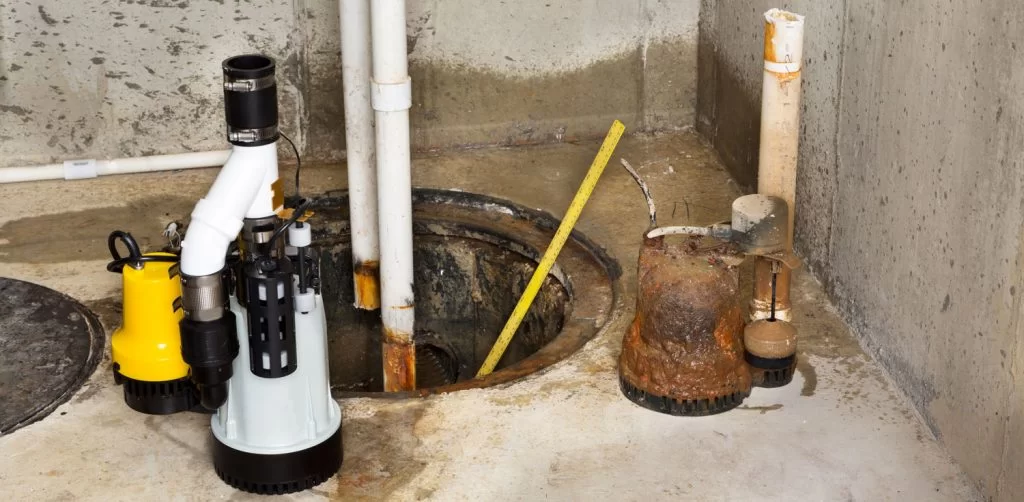
Basement flooding is one of the most common and costly problems homeowners face in Southeast Michigan. Between heavy spring rains, snowmelt, and clay-heavy soil that holds water like a sponge, water finds its way into basements more often than most people expect. Sump Pump Installation in SE Michigan is the most reliable and proven way to keep your basement dry. A properly installed sump pump removes groundwater before it ever becomes a flood.
Why Basements Flood in Southeast Michigan
Southeast Michigan has a unique combination of conditions that make basement flooding far more common here than in many other parts of the country. The region gets heavy spring rainfall, significant snowmelt, and sits on clay-heavy soil that holds water instead of absorbing it. That water builds up around foundations and eventually forces its way in.
Common Causes of Basement Flooding
Poor yard grading is one of the biggest culprits. When the ground around your home slopes toward the foundation instead of away from it, every rain event sends water directly toward your basement walls. Clogged gutters and downspouts make this worse by dumping concentrated water right at the base of your foundation.
Other common causes include:
- Foundation wall cracks that allow lateral water seepage
- Window well failures that let rainwater pour directly into basement openings
- Failed or aging perimeter drain systems
- A naturally high water table that rises during wet seasons
- Spring snowmelt saturating the ground faster than it can drain
How Hydrostatic Pressure Damages Foundations
When soil around your foundation becomes fully saturated, it starts exerting pressure against your basement walls and floor. This is called hydrostatic pressure and it is one of the most destructive forces a foundation faces.
Over time this pressure causes wall cracks, floor heaving, and mortar joint deterioration. Many homeowners mistake these as normal settling when in reality water pressure is actively damaging their foundation. A sump pump relieves this pressure by removing water from the soil before it builds up to damaging levels.
How Sump Pumps Prevent Basement Flooding
A sump pump sits in a small pit at the lowest point of your basement. Water that collects around your foundation drains into this pit through a perimeter drain system. When the water level rises high enough, a float switch triggers the pump which pushes the water out through a discharge pipe and away from your home. The whole process is automatic and happens every single time water builds up, whether you are home or not.
The key is that it removes water before it ever reaches your basement floor. Instead of reacting to a flood, you are preventing one from happening in the first place.
Types of Sump Pumps for Michigan Homes
Not every sump pump is the same. Michigan homes deal with high water volumes during storm events so choosing the right type matters.
Submersible vs. Pedestal Sump Pumps
Submersible pumps sit fully inside the pit with a sealed motor. They run quieter, handle larger water volumes, and last longer. They are the better choice for most finished basements in Southeast Michigan.
Pedestal pumps have the motor mounted above the pit on a stand. They cost less and are easier to access for maintenance but they are noisier and less capable of handling heavy water flow. For most Michigan homeowners dealing with serious flooding risk, a submersible pump is the stronger investment.
Battery-Backup Sump Pumps
Here is the problem with a standard sump pump. The storms that cause the worst flooding are the same storms that knock out your power. When the power goes out, a primary pump stops working exactly when you need it most.
A battery-backup sump pump solves this. It runs on a deep-cycle battery and kicks in automatically when the primary pump loses power or gets overwhelmed by water volume. Many modern backup systems also send alerts to your phone so you know when the backup has activated. In Southeast Michigan where summer storms regularly cause power outages, a battery backup is not optional. It is essential.
Sump Pump Installation Process
Installation is not a weekend DIY project for most homeowners. Done incorrectly, a sump pump can fail during the first major storm or discharge water in the wrong direction and make the problem worse.
Choosing the Right Sump Pump
The right pump depends on your basement size, typical water volume, and whether you have an existing system that needs replacement or are starting fresh. A pump that is too small will run constantly and burn out early. A pump that is oversized cycles on and off too frequently which also shortens its lifespan.
A professional assessment helps you choose the correct horsepower, pit size, and pump type before any installation begins.
Where to Install a Sump Pump
The pit is always placed at the lowest point of the basement where water naturally collects. The discharge pipe needs to run water at least 10 feet away from the foundation and must be directed away from neighboring properties and public drainage systems. Improper discharge placement is one of the most common installation mistakes and it leads to the same water coming back toward your foundation.
Signs You Need a Sump Pump Installed
Do not wait for a flood to take action. These are the warning signs that your basement needs a sump pump now:
- You have never had a sump pump and your basement has moisture or water stains on the walls or floor
- Your existing pump is more than 7 to 10 years old
- The pump runs constantly or makes unusual noises
- You notice a musty smell or visible mold growth
- Your basement has flooded at least once before
- You live in a low-lying area or near a body of water in Southeast Michigan
- Your neighbors have experienced basement flooding
Any one of these is a reason to have your system evaluated by a professional.
Sump Pump Maintenance Tips
A sump pump only protects you if it is actually working. Most failures happen because the pump was never tested or maintained and the problem only gets discovered during a storm.
Basic maintenance every homeowner should do:
- Test the pump every few months by pouring water into the pit until the float triggers
- Check the discharge pipe for blockages or freezing in winter months
- Inspect the float switch to make sure it moves freely and is not stuck
- Clean the inlet screen to remove debris that can clog the pump
- Check battery backup charge levels at least twice a year
- Replace the pump proactively at the 7 to 10 year mark before it fails
A few minutes of maintenance every season can prevent thousands of dollars in water damage.
When to Call a Professional in Southeast Michigan
Some situations go beyond basic maintenance and require a professional. If your pump is running constantly, making grinding noises, or your basement has flooded despite having a pump, something is wrong with the system and it needs to be assessed.
If you are purchasing a home in Southeast Michigan, have the sump pump inspected as part of your home inspection. Many buyers overlook this and inherit a failing system.
Basement Waterproofing in Southeastern Michigan goes hand in hand with sump pump installation. A sump pump removes water but a complete waterproofing system addresses the source, the drainage, and the long-term protection of your foundation together. For homeowners dealing with repeated flooding or serious water damage, a full evaluation from a local professional is the right next step.
FAQs:
What is the average cost of sump pump installation?
Installation ranges from $1,500 to $3,500 depending on pit depth and pump type. Battery backups add $800-$1,500. Submersible pumps cost more but last longer than pedestal models. B DRY Experts quote help ensure fair pricing for your specific basement and local conditions.
How frequently should homeowners test their sump pump?
Test your pump monthly by pouring water into the pit until the float triggers activation. If it doesn’t activate, the system needs repair immediately. More frequent testing during spring and summer when heavy rains arrive is wise for added peace of mind and early problem detection.
Is it possible to install a sump pump as a DIY project?
Most homeowners should not attempt DIY installation. Wrong pit placement, improper discharge pipes, or failed float switch setup causes failures during the first major storms. Poor installation often costs more to fix than professional installation would have cost initially.
What is the typical lifespan of a sump pump system?
Most sump pumps last 7 to 10 years before needing replacement. Battery backup systems may last 3 to 5 years depending on usage. Submersible pumps generally last longer than pedestal models. Regular maintenance and testing helps extend lifespan and prevent premature failure.
Is a battery backup sump pump necessary in Michigan?
Yes, especially in Southeast Michigan where summer storms regularly cause power outages lasting several hours. Your primary pump stops working exactly when you need it most during flooding events. Battery backup is essential for comprehensive protection against basement water damage.
How do I determine the correct size pump for my basement?
Size depends on basement square footage, water volume during storms, and soil type. A pump too small runs constantly and burns out early. Too large cycles on and off excessively. Professional assessment measures your conditions and recommends the correct horsepower needed.
Where should sump pump discharge pipes be directed away?
Discharge must travel at least 10 feet away from your foundation downhill if possible. Never let water pool near the base or drain toward neighbors. Poor discharge placement is a common mistake that allows water to seep back toward your basement walls again.
What are the most common causes of sump pump failure?
Failures occur from clogged inlet screens, stuck floats, seized motors, failed check valves, or power loss. Many failures happen because pumps were never tested or maintained. Installing a battery backup prevents failure during storms and power outages that damage standard pumps.
Will a sump pump completely prevent all basement flooding?
Sump pumps prevent most flooding but work best paired with good yard grading, clean gutters, and proper drainage. Foundation cracks still need sealing. A complete waterproofing system addresses interior drainage, exterior water management, and foundation integrity together.
What are signs that my sump pump is working correctly?
The pump should activate when water pours into the pit and shut off once the water level drops. It should run quietly without grinding noises. No water pooling in your basement confirms it is working. If the pump runs constantly or the basement stays wet despite the pump, professional service is needed immediately.
