

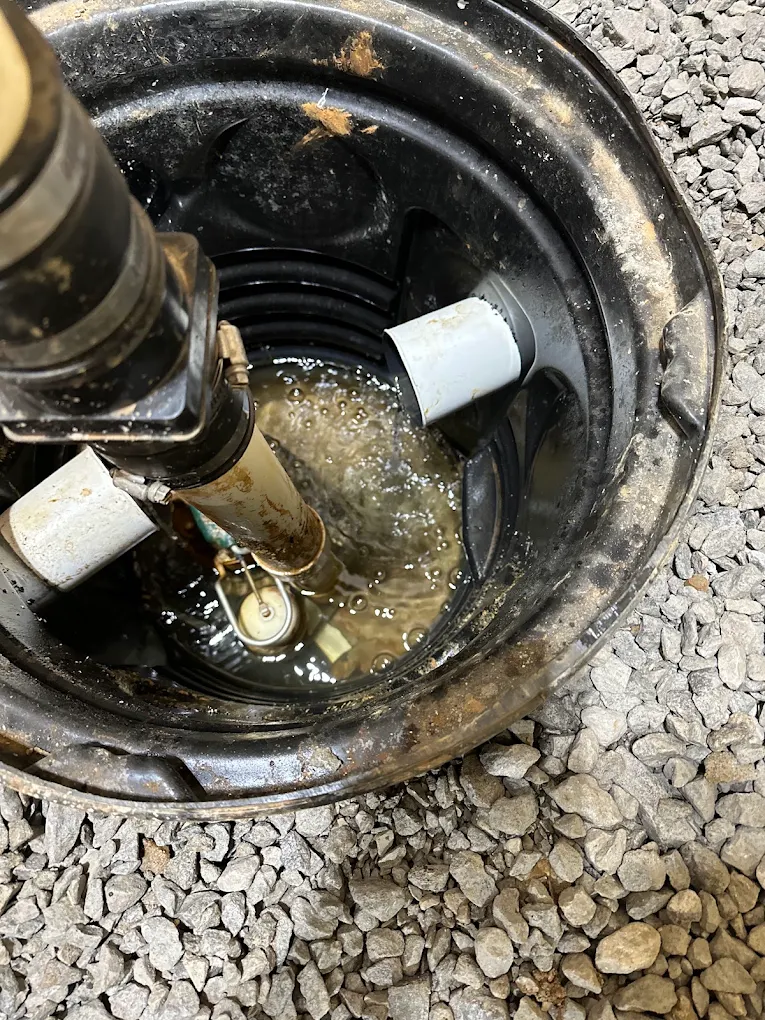
Most sump pumps last about 7 to 10 years, and some last 15 years or more. So how long does a sump pump last in your home? It depends on the pump type, how often it runs, and how well you maintain it.
This guide covers lifespan by pump type, signs it is time to replace yours, and ways to make it last longer.
How Long Does a Sump Pump Usually Last?
If you are asking how long does a sump pump usually last, plan on about 7 to 10 years. Treat that as a planning range, not a promise.
Some pumps fail sooner, and others keep going for well over a decade.
Average Life of a Sump Pump
The average life of a sump pump is around 10 years, and you should get at least seven unless it is badly neglected. Some pumps last as long as two decades.
Other guides put the typical range at 7 to 10 years, with 5 to 15 years possible depending on how hard the pump works.
Warranties usually run about three years, so most pumps outlast their coverage.
Sump Pump Lifespan by Type
Sump pump lifespan changes with the type of pump you own.
- Submersible: about 5 to 15 years
- Pedestal: 25 years or more
- Water-powered backup: about 15 to 20 years
Pedestal pumps keep the motor on a column above the water, so it stays drier and lasts longer. Submersible pumps sit in the water all the time, which wears them faster.
Submersible pumps are still popular because they are typically quieter and more powerful.
What Affects Sump Pump Life Expectancy?
Two identical pumps can age very differently. Several factors shape the life expectancy of sump pump models in your home.
How Often the Pump Runs
Cycling frequency is the biggest stressor on a pump. Every start puts stress on the motor and the float switch.
A high water table can keep a pump running nonstop after heavy rain. That constant work wears out the motor and impeller faster.
Pump Size and Quality
A pump that is too small runs nonstop trying to keep up. A pump that is too big empties the pit fast and cycles on and off in short bursts. Both wear the pump out sooner.
Quality matters too. A cheap knock-off can break down early.
Installation and Power Problems
Setting the pump on a dirt floor lets it pull in abrasive grit. A faulty check valve lets water flow back into the pit, so the pump restarts right away.
Frequent power outages or electrical surges can also damage the motor over time.
Maintenance
Heavy use or poor upkeep can shorten a pump’s life. Good care can push it well past the 10-year mark.
How Often Should a Sump Pump Be Replaced?
Homeowners often ask how often to replace sump pump units. Most plumbers recommend replacing one after 7 to 10 years.
If yours is past seven years, start planning for a replacement. Do not wait for failure, because an older pump can quit at any moment and lead to costly water damage.
Signs It Is Time to Replace Your Sump Pump
Watch for these warning signs:
- Grinding or vibrating sounds
- Visible rust and corrosion
- Frequent cycling, even with little water in the pit
- Pipes or floors that shake when the pump runs
- A pump that is seven years old or more
Constant cycling can burn out the motor and cut the pump’s life sharply.
Repair or Replace an Old Pump?
Some noise problems can be repaired, but they often point to wider wear. Repairing an old pump that will need replacing soon makes little sense.
Replacing an existing unit is usually more affordable than installing a new system from scratch.
Sump Pump Battery Backup Lifespan
Backup batteries do not last as long as the pump itself. Replace them every three to five years.
A battery may run about five to six hours nonstop, or 12 hours or more if the pump cycles on and off.
Need a new pump or a full backup system? See Sump Pump Installation in SE Michigan.
How to Make Your Sump Pump Last Longer
With proper maintenance, a pump can last well beyond the usual 10 years. These habits take little time.
Test the Pump Regularly
Pour a bucket of water into the pit. The float switch should rise, and the pump should turn on and empty the basin.
Test every few months and before storm season.
Clean the Pit and Pump
Cleaning twice a year keeps debris from clogging the pump or blocking the float switch. Clear the intake screen too.
Secure the power cord so it cannot fall into the pit and block the float. Many plumbers also pull the pump for a deep clean every one to three years.
Check the Float Switch and Check Valve
Lift the float by hand to confirm it triggers the pump. Then pour water into the discharge pipe to test the check valve.
If water flows back into the pit, replace the check valve.
Inspect the Discharge Line
Make sure the discharge line is not frozen or blocked. Look at the pipe outside your home to confirm that water flows out freely.
Add a Backup Power Source
Power outages and clogs are common causes of pump failure. A battery or water-powered backup keeps the system running when the power goes out.
Know When to Call a Pro
If you see warning signs, call a licensed plumber. A pro can size the new pump to your water flow, which helps it last longer.
Local help is available through Sump Pump Installation in SE Michigan.
FAQs
How long does a sump pump last on average?
Most sump pumps last about 7 to 10 years. With good care, some last 15 years or more.
How long does a submersible sump pump last?
Submersible pumps often last 5 to 15 years, because the motor sits in the water all the time.
Can a sump pump last 20 years?
Yes. Some models can last up to 20 years, and certain pedestal pumps have lasted 30. Most still need replacing sooner.
How often should a sump pump be replaced?
Plan to replace it every 7 to 10 years, or sooner if you see rust, grinding noises, or constant cycling.
Does a sump pump battery last as long as the pump?
No. Backup batteries usually last three to five years, so replace them more often than the pump.
