

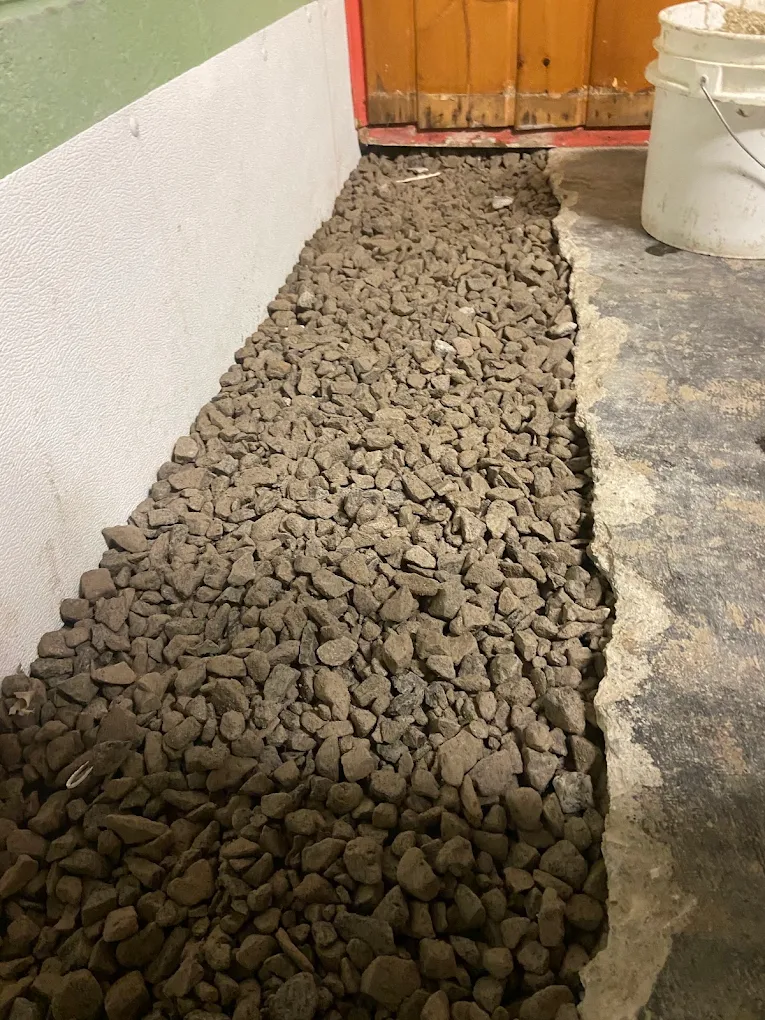
Yes, French drains need maintenance. They’re designed to be low-maintenance, not maintenance-free.
A properly installed French drain quietly redirects groundwater away from your foundation for years without much attention. But over time, soil, tree roots, and sediment can creep into the system and slow it down.
A little preventative care and the occasional inspection go a long way toward keeping it working the way it should. If you’re in the area, the team at bdry michigan can help you stay ahead of these issues.
 How Long Do French Drains Last?
A properly installed French drain can last 20 to 30 years, sometimes longer.
Lifespan comes down to a handful of factors: installation quality, a stable drain slope, and adequate gravel coverage all matter more than most homeowners assume.
Soil type, local climate, and how much groundwater the system handles year-round also affect performance over time.
Homeowners who schedule routine inspections and stay ahead of small issues typically get more years out of their French drain than those who install it and forget about it entirely. Small foundation cracks near a drain path are worth catching early too, and services like Foundation Repair in Southeastern Michigan can address that before it becomes a bigger issue.
Do French Drains Get Clogged?
Yes, French drains can get clogged, despite being one of the more reliable drainage solutions available.
Sediment and fine soil particles gradually build up inside the pipe, while invasive plant roots search out moisture and work their way into the drainage system.
Leaves, sticks, and other surface debris add to the buildup, especially with outdoor installations.
A proper gravel layer and geotextile fabric filter out much of this before it reaches the pipe, which is exactly why installation quality has such a direct effect on how often clogs happen.
Common Issues That Can Affect French Drains
French drains have no moving parts, which limits what can break, but a handful of recurring issues still affect performance.
- Clogging from soil and silt, especially in systems without proper filtering
- Root intrusion from nearby trees and shrubs
- Shifting soil from improper installation
- Changes to the surrounding landscape that overload the system
- Hard water and iron bacteria restricting flow inside the pipe
Knowing these issues helps homeowners catch problems early instead of after a flood.
Soil and Silt
Soil and silt buildup is one of the most common problems affecting French drains.
When fine particles work their way into the system, especially in drains installed without proper geotextile fabric, they gradually block the gravel and perforated pipe.
Once that blockage sets in, water stops flowing efficiently toward the sump pit or discharge point. Instead of draining away, water collects inside the pipe and can eventually overflow, defeating the entire purpose of the system.
Tree Roots
Root intrusion is another common issue behind French drain failures.
Trees and shrubs planted too close to the drain send roots out in search of moisture, and the perforated pipe is exactly the kind of moisture source they’re drawn to.
Over time, those roots work their way into the drainage pipe and create blockages that restrict water flow. Choosing plants with less invasive root systems, or keeping larger trees a safe distance away, significantly lowers this risk.
Shifting Landscape
French drains can also suffer damage from shifting soil or improper installation.
A pipe that wasn’t sloped correctly, or one that collapses due to soil movement or heavy machinery overhead, won’t drain properly.
The landscape around the drain can change too. Construction work, redirected downspouts, or altered grading can send more water and debris into the system than it was originally designed to handle, gradually overwhelming its capacity and reducing its effectiveness over time.
Hard Water
Hard water and iron bacteria pose a quieter but equally damaging risk to French drains.
Mineral scale from hard water gradually accumulates inside the pipe, especially in systems exposed to groundwater high in calcium or magnesium.
Iron bacteria, sometimes called iron algae, thrive in moist, low-oxygen environments and form thick, slimy buildups that clog perforated pipes and drainage gravel. Left unchecked, either issue can make the French drain ineffective and even create problems for a connected sump pump.
How to Check if Your French Drain Needs Maintenance
Since French drains sit underground, problems aren’t always obvious right away. A few warning signs are worth watching for:
- Pooling or standing water where the drain used to work fine
- Soggy or unusually soft ground along the drain path
- Visible debris or rust-colored slime near the outlet
- An unusually lush, green patch of yard near the drain line
If you notice any of these, a professional inspection using a camera scope is the most reliable way to confirm what’s going on underground.
French Drain Maintenance: Keeping Your Drain in Top Shape
Keeping a French drain in good shape doesn’t take much, just consistency.
- Schedule regular inspections, especially before the rainy season
- Flush the system periodically to clear sediment before it builds up
- Redirect downspouts away from the drain path to reduce debris-laden runoff
- Avoid planting large trees or shrubs nearby to limit root intrusion
- Pressure wash the pipe once a year to help maintain flow
When cleaning or inspection reveals a deeper issue, bringing in a professional drainage specialist is the safest way to resolve it before it turns into a bigger repair.
FAQs
Do French drains really need maintenance?
Yes. French drains are low-maintenance, not maintenance-free. Without occasional inspection and cleaning, sediment, roots, and debris can build up and reduce how well the system drains water.
How long do French drains last?
A properly installed French drain typically lasts 20 to 30 years. Installation quality, drain slope, gravel coverage, and routine maintenance all affect how long the system holds up.
How to tell if a French drain is working?
Check for pooling or standing water, soggy ground along the drain path, debris or slime near the outlet, and an unusually lush patch of grass nearby. Any of these can signal the drain isn’t draining properly.
How often should a French drain be cleaned?
Cleaning every 1 to 2 years is generally recommended. Properties with heavy tree cover or high sediment soil may need more frequent flushing to avoid clogs.
What causes a French drain to clog?
Soil and silt buildup, tree root intrusion, surface debris, and mineral scale from hard water are the most common causes of clogging inside a French drain.
Can tree roots damage a French drain?
Yes. Roots from nearby trees and shrubs are drawn to the moisture inside the pipe and can grow into it, creating blockages or structural damage over time.
What are signs a French drain needs repair, not just cleaning?
Collapsed or soggy sections of ground, persistent standing water even after cleaning, and visible pipe damage from a camera inspection usually point to repair rather than routine maintenance.
Can I clean a French drain myself?
Basic upkeep like flushing the system with a garden hose or clearing surface debris can be done by a homeowner. Deeper clogs or suspected pipe damage are best handled by a professional with a camera scope and proper equipment.
Does hard water affect French drains?
Yes. Hard water can leave mineral scale inside the pipe over time, gradually restricting flow, especially in areas with groundwater high in calcium or magnesium.
Is professional maintenance necessary for a French drain?
Not for basic upkeep, but professional inspection and cleaning are recommended periodically, especially before heavy rain season, to catch problems before they turn into costly repairs.
